Learning Outside the Classroom | Youth
Give young people room to discover what they are capable of
Purposeful outdoor journeys and residential programmes that invite learners to take responsibility, exercise judgement and discover their strengths, with experienced guidance and careful preparation.
More than 270,000 children taken into the wilderness and returned safely to their families.
Recognition
Familiar surroundings do not reveal everything
At school and at home, routines give young people the structure they need to grow. Within those routines, some abilities can remain unnoticed.
A learner may become accustomed to following. Another may always take charge. Some know where they succeed and seldom venture beyond it.
You may recognise capacities in your learners that they have not yet had reason to recognise in themselves. A different environment can create that opportunity.
Reframing
New surroundings. New responsibilities. New discoveries.
Learning outside the classroom begins with a change in how learners participate.
There is a route to consider, a camp to organise, a question to investigate or a decision that affects the group. Young people have opportunities to contribute, encounter consequences and adjust their approach.
The unfamiliar introduces uncertainty. Careful preparation and competent guidance give learners room to work with it.
We bring knowledge of these environments. You bring knowledge of your learners. The programme takes shape through that partnership.
What becomes possible
What matters is what learners carry home
Each learner will encounter something different. We create opportunities for growth in six connected areas.
Confidence and initiative
Discover that their contribution matters, and develop the willingness to take the next step.
Responsibility
Take care of equipment, follow through on commitments and understand how individual choices affect others.
Collaboration
Listen, share the work and learn when to lead, when to support and when to ask for help.
Judgement and resilience
Respond to changing circumstances, work through manageable difficulty and reconsider an approach when it is no longer useful.
Environmental awareness
Pay attention to the landscapes and communities they encounter, and practise care for the places through which they travel.
Self-knowledge
Notice familiar habits, recognise emerging strengths and consider how to use them in everyday life.
How the pathway works
Prepare carefully. Participate fully. Make sense of the experience.
Begin with the learners
Every programme starts with the group: their stage of development, existing experience and what you hope the journey will support. The purpose informs the choice of environment, activities and challenge.
Keep the challenge appropriate
A worthwhile challenge asks something of a learner while remaining proportionate to their capabilities and circumstances. Facilitators pay attention to the group and the individual, exercising judgement about when to encourage, when to adapt and when to step back.
Give responsibility a practical meaning
Learners participate in the work of the journey. Planning, shared tasks and group decisions give them something real to take responsibility for. Guides provide the boundaries and support within which that responsibility can grow.
Reflect and carry the learning forward
What happened? How did we respond? What might we do differently? Reflection helps learners recognise the meaning of an experience and connect it with how they act at school, at home and within a group.
A more purposeful travel experience
Experiences and services
A clear purpose for each programme
Programmes are developed with schools and youth organisations, shaped around their learners and learning objectives.
Adventurous Journeys
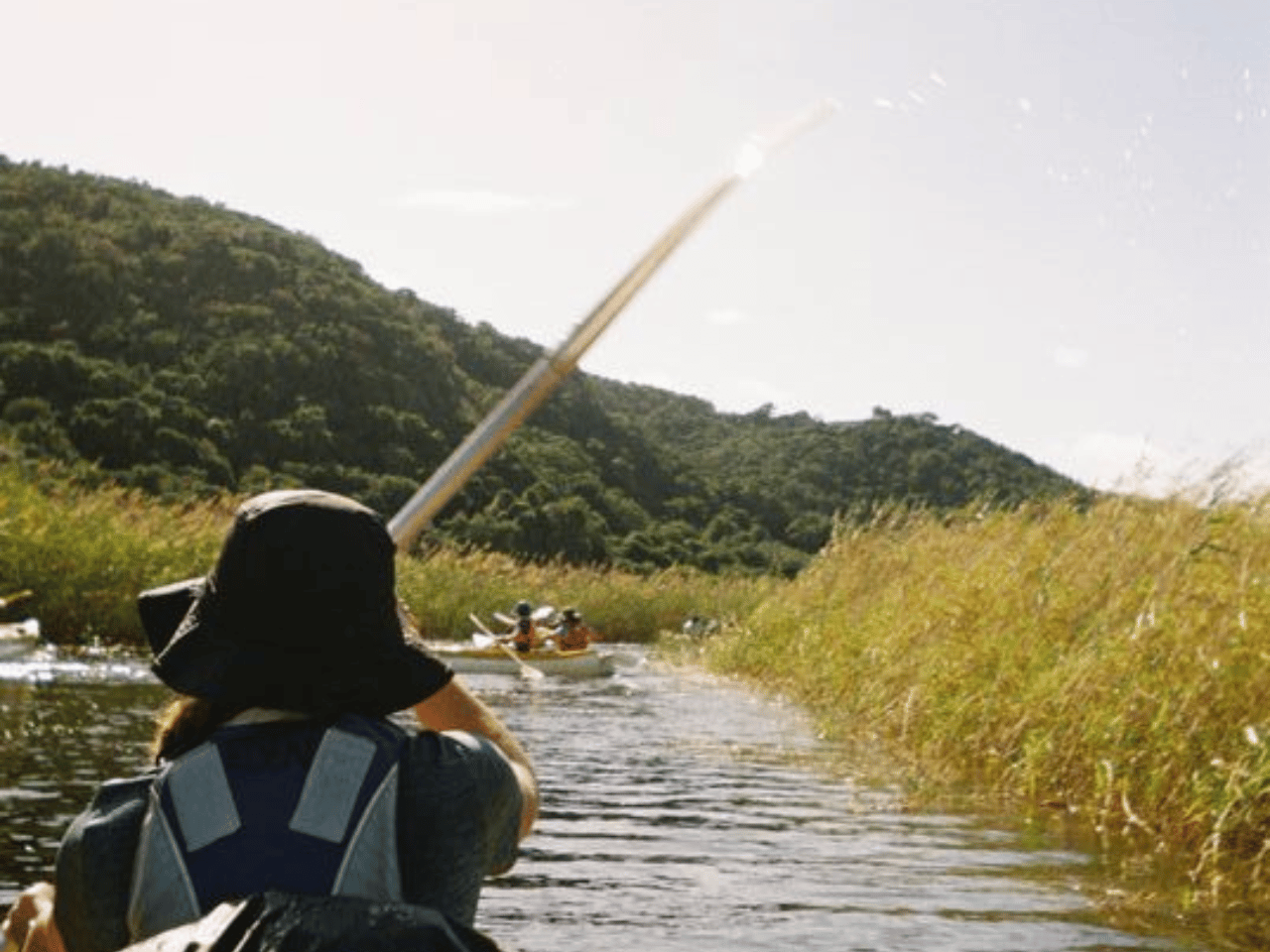
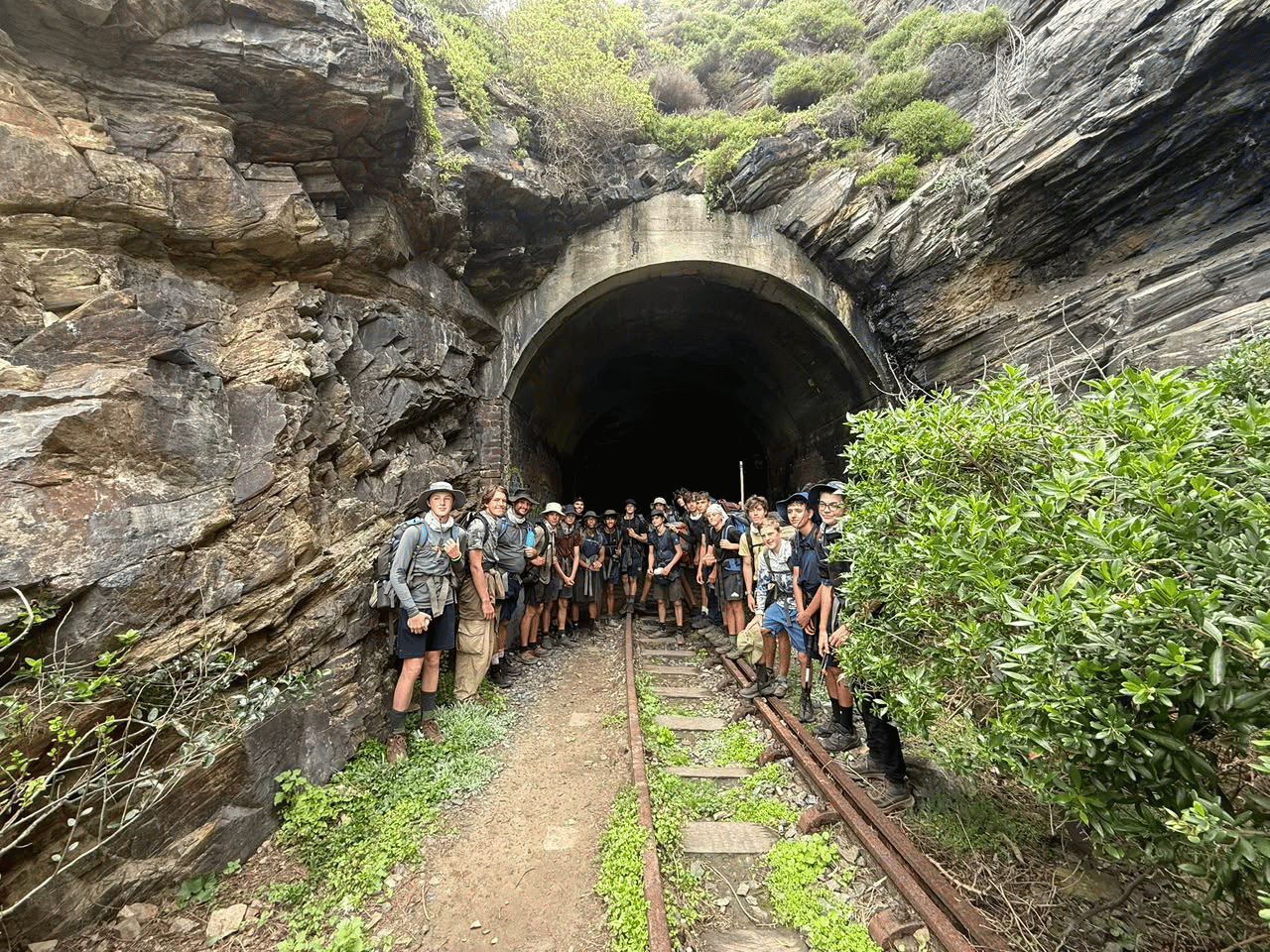
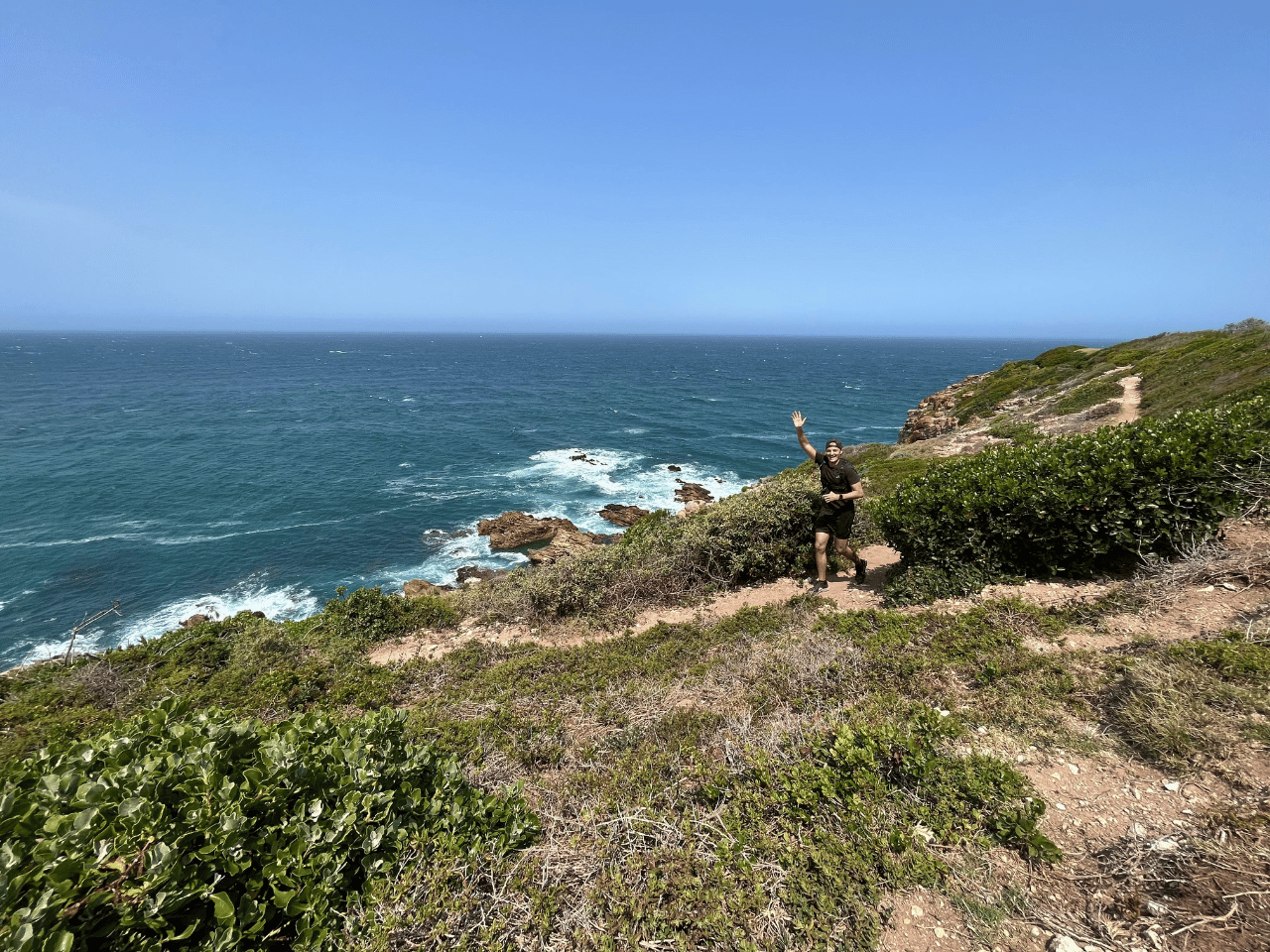
Multi-day journeys through South Africa’s landscapes, on foot, by mountain bike or by boat.
The daily work of travelling and living together creates opportunities to plan, contribute, adapt and care for one another.
Rites of passage
Mark a significant transition with a journey that invites young people to consider growing independence, responsibility and their place within a community.
Research trips
Take questions into the field. Learners observe, investigate and connect their studies with the environments they encounter.
Residential Programmes
Time away together allows shared experiences and patterns of behaviour to unfold, with space to notice, reflect and learn.
Complex adaptive leadership
Explore how to contribute and lead when conditions change and there is no single clear answer. Practise listening, making decisions and adjusting an approach together.
Syllabus support
Connect classroom subjects with direct observation, enquiry and practical application, guided by relevant learning objectives.
What to expect
The journey begins before departure
Planning with your school
We discuss your objectives, group size, age range and practical requirements, then develop an appropriate programme.
Preparation includes consideration of individual needs, participation, equipment and the arrangements for the journey.
Time suited to the purpose
For multi-discipline adventurous journeys, we recommend at least seven days. This allows time for shared routines to develop, responsibilities to become familiar and learning to build through experience.
Duration is considered alongside the group’s needs and the programme’s purpose.
Smaller groups and qualified leadership
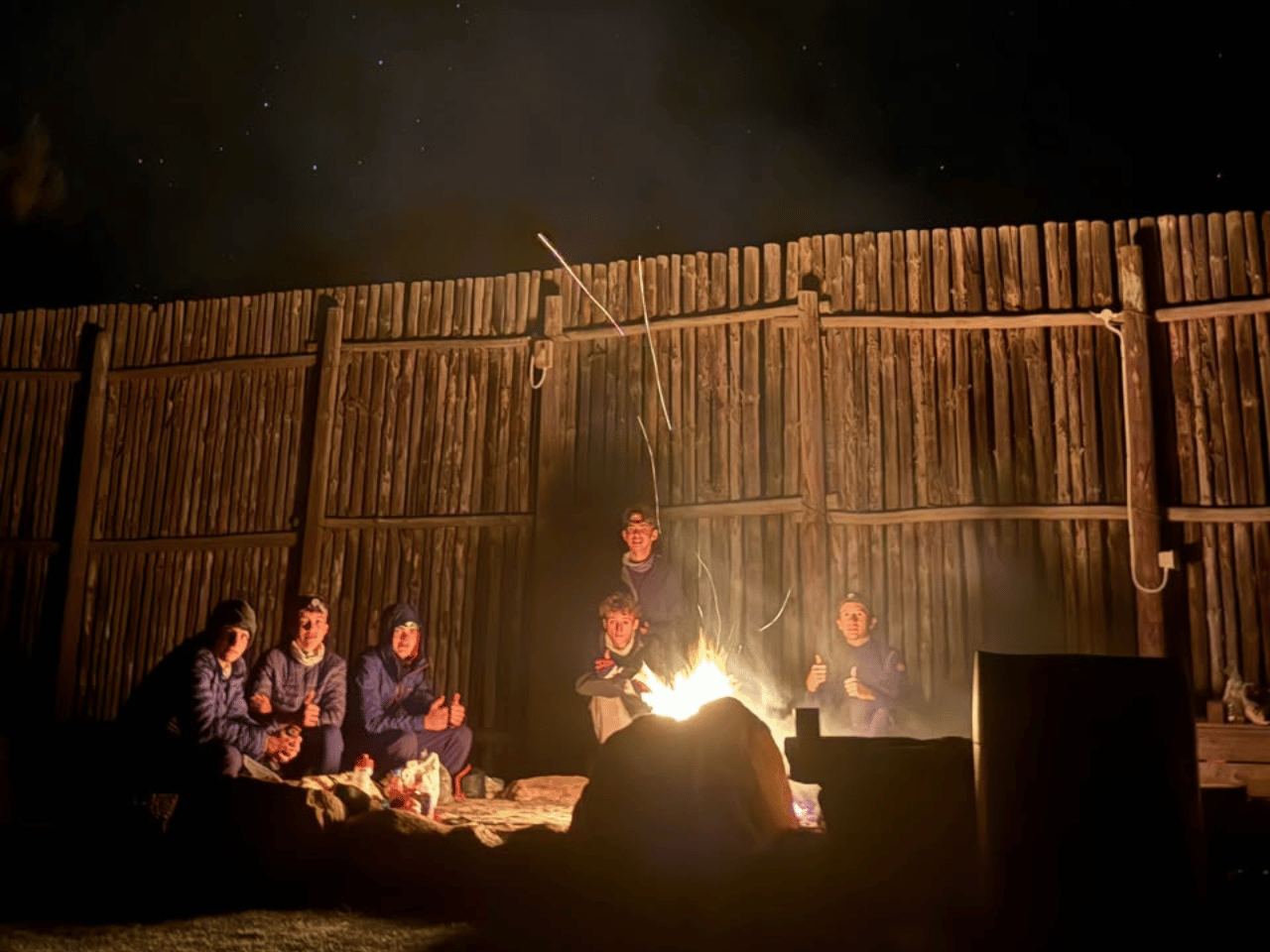
Larger grade groups are divided into smaller groups, known as “Fires”.
Each Fire is accompanied by an expedition leader trained and qualified in the activities involved, whether mountain walking, mountain biking or paddling.
Equipment and supplies
Chrysalis Project provides its own bicycles, boats, tents, camping equipment and cooking gear for the planned activities.
Food drops and additional water are arranged at planned stops. Before departure, learners receive guidance on the personal clothing and items they need to bring.
Routes and overnight arrangements
Journeys can be developed across South Africa, with land access negotiated and daily distances planned to be challenging and achievable.
Routes may include farm tracks, forestry and district roads, overland sections and tar roads where appropriate.
Depending on the journey, accommodation may include wild camping, farms, established campsites, farmhouses, tourist accommodation or stays with communities. These arrangements form part of the agreed programme.
Reassurance
Experience carries responsibility
More than 270,000 children have been taken into the wilderness and returned safely to their families. Behind that experience are years of preparation, guiding, observation and learning. Some of our partnerships with schools and educators extend over decades.
Practice aligned with international standards
Our approach brings together qualified leadership, appropriate equipment, route planning and logistical support, aligned with relevant international standards. These arrangements provide the structure around the experience, allowing learners to participate meaningfully while guides remain responsible for its professional management.
Leadership with experience in the field
Chrysalis Project is led by founding director Nic Shaw, whose work in environmental education, adventure-based programmes, expeditions and fieldwork began in 1992. His involvement in international standards development connects practical field experience with the wider work of responsible adventure provision.
Care for people and place
Good preparation includes attention to the learners, the conditions, the communities we encounter and the environments through which we move. Plans provide direction. Guides must also observe, exercise judgement and respond to what is happening in front of them. That attentiveness is part of both responsible practice and good education.